
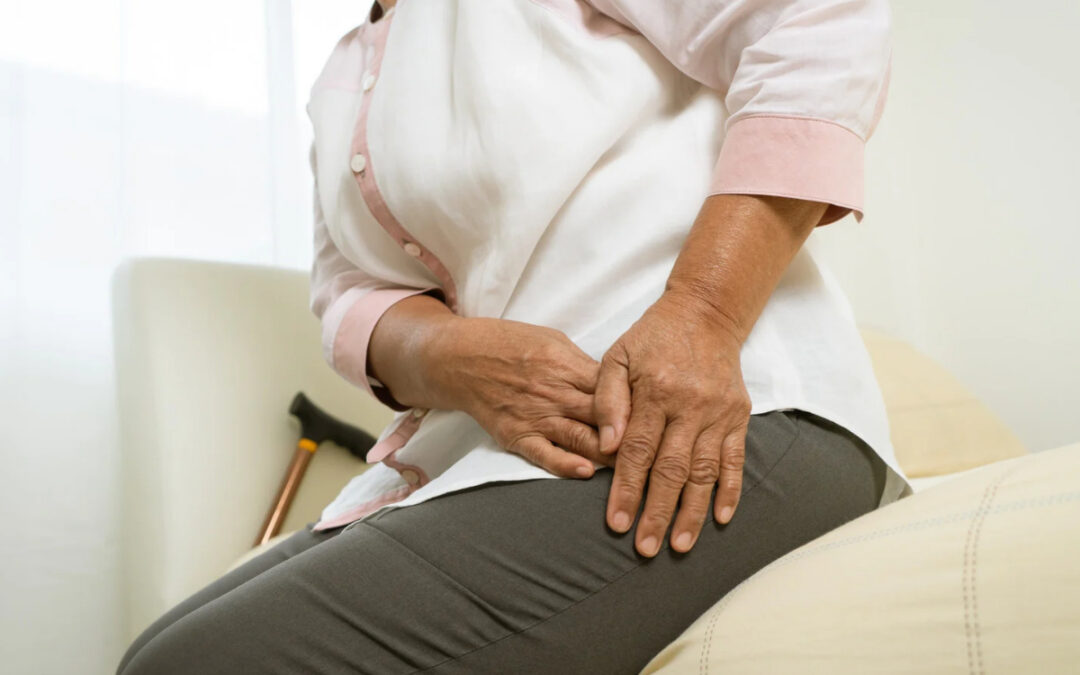
Your hips carry you through nearly every movement of the day, from your first steps out of bed to climbing stairs, getting in and out of the car, and settling in for the night. So when hip pain sets in, it has a way of touching everything. A deep ache in the joint, a sharp catch when you stand, or stiffness that makes walking feel like work can quickly wear on your comfort and your confidence.
Hip pain is common across all ages, from active adults and athletes to seniors, and it has many possible causes. At Premier Chiropractic Center in Bessemer, Dr. Roshun Glover helps patients across the Birmingham area figure out what is behind their hip pain and find relief through gentle, whole-body care.
Understanding Your Hip
The hip is a large ball-and-socket joint, built for both strength and a wide range of motion. The rounded top of your thigh bone fits into a socket in your pelvis, cushioned by cartilage and supported by a network of muscles, tendons, and fluid-filled sacs called bursae that help everything glide smoothly.
Because the hip is a major weight-bearing joint and sits at the crossroads of the pelvis and lower back, problems there rarely stay neatly in one place. Trouble in the hip can affect your gait, your lower back, and your knees, and issues in those areas can show up as hip pain in return.
Common Causes of Hip Pain
Hip pain can come from the joint itself or the structures around it. Frequent causes include:
- Osteoarthritis. Wear on the cartilage over time leads to pain and stiffness, often felt in the groin and worse with activity.
- Bursitis. Inflammation of the bursa on the outer hip causes tenderness that can flare when you lie on that side or climb stairs.
- Tendinitis and muscle strain. Overuse or injury of the tendons and muscles around the hip, common with sports or sudden increases in activity.
- Alignment and overuse issues. Poor posture, leg-length differences, and repetitive strain can load the hip unevenly and irritate it over time.
- Referred pain. Problems in the lower back, sacroiliac joint, or pelvis can send pain into the hip region even when the joint itself is fine.
Is It Your Hip or Your Back?
One of the trickiest things about hip pain is that it is not always coming from the hip. True hip-joint pain is usually felt in the groin or deep in the front of the hip, and it tends to worsen with walking or rotating the leg. Pain felt more in the outer hip, the buttock, or running down the leg often points to the lower back or sacroiliac joint instead.
This distinction matters, because treating the wrong area will not get you very far. A thorough evaluation of the hip, pelvis, and lower back together is the best way to find the real source, which is exactly the kind of whole-body look chiropractic care is built around. If your symptoms sound more like radiating nerve pain, our article on sciatica may be a better fit.
How Chiropractic Care Can Help
Chiropractic care offers a conservative, non-invasive approach to many causes of hip pain. At Premier Chiropractic Center, Dr. Glover begins with a careful evaluation of the hip joint, the pelvis, the lower back, and your posture and gait to understand how everything is moving together and where the pain is really coming from.
From there, care is tailored to you using gentle techniques, including the Activator Method, which allows precise, low-force work on the hip and surrounding joints, along with the Thompson Technique and Diversified Adjusting. The goal is to restore proper motion and alignment to the hip and pelvis, ease the muscle tension that builds up around a painful joint, and correct the compensation patterns that keep the area aggravated. Dr. Glover can also recommend stretches and activity adjustments to support your progress.
Simple Steps to Ease Hip Pain at Home
While you address the underlying cause, these everyday measures can help calm an aching hip:
- Keep moving with gentle, low-impact activity like walking or swimming rather than resting completely.
- Stretch the muscles around the hip, including the hip flexors and glutes, within a comfortable range.
- Use ice for a fresh flare-up and warmth for stiffness and muscle tension.
- Break up long periods of sitting, which can tighten the hips, and choose supportive footwear.
- Avoid the specific movements that sharply aggravate it while you heal, without shutting down activity altogether.
When to See a Professional
Some hip pain needs prompt attention. See a provider if your pain is severe, is not improving over a couple of weeks, keeps you up at night, or comes with noticeable swelling, redness, or warmth. Seek urgent care right away if you cannot bear weight on the leg, your hip looks deformed, or the pain followed a significant fall, especially in older adults, since a fracture needs to be ruled out quickly.
Find Hip Pain Relief in Bessemer
Because your hips are involved in nearly everything you do, lingering hip pain can shrink your world fast. The good news is that many causes respond well to conservative, whole-body care, particularly when you address them early rather than working around the pain for months.
If hip pain is slowing you down, Dr. Roshun Glover and the team at Premier Chiropractic Center in Bessemer are here to help you get to the source and move more comfortably. Book your appointment today and take the first step toward staying active and pain-free.
Recent Comments